As a radiation oncologist and University of Iowa Institute for Clinical and Translational Science K12 scholar, Kailin Yang, MD, PhD, has seen firsthand how aggressive diseases like glioblastoma can be. He has seen his patients suffer and is researching a way to help them. Yang is researching the role of N6-methyladenosine (m6A), the most prevalent modification that directly modulates mRNA. He is attempting to determine whether these can be reprogrammed to affect glioblastoma stem cell (GSC) survival. To achieve this, Yang is first investigating the relationship between the GSC phenotype and epitranscriptomic reprogramming in glioblastoma. They are specifically investigating the role of altered m6A demethylase activity on the redox balance in GSCs, and determining if there is therapeutic benefit to targeting ALKBH5, a demethylase enzyme that removes m6A to increase the sensitivity of glioblastoma to the standard therapies: radiation, chemotherapy, etc.
An aggressive cancer
Glioblastoma is one of the most lethal and prevalent primary brain tumors. This cancer, a tumor located in the brain, is extremely aggressive and fast-growing, typically causing symptoms like seizures, nausea, headaches, and personality changes. There is an aggressive treatment plan for glioblastoma, typically using multiple treatments in tandem, including surgery, radiation, and chemotherapy, but these remain largely palliative. Glioblastoma has a poor prognosis, with a median survival of just 12-15 months after diagnosis.
A new approach
Yang’s research is two years in the making, and he and his team want to help the patients suffering from
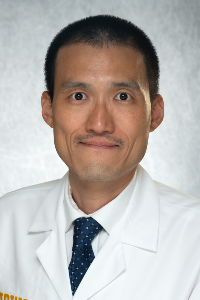
glioblastoma. Through his research, Yang hypothesizes that in therapeutic targeting of the GSCs, patient outcomes can be substantially improved, and tumor growth recurrence can be reduced. “We predict that targeting GSCs through ALKBH5 inhibition will open a new therapeutic window to improve the survival of glioblastoma,” Yang shared. They also believe that the pattern of m6A RNA methylation may serve as a marker for poor prognosis for patients with glioblastoma. He is also hoping to suppress the key mediators that bridge altered epitranscriptomics to fuel tumor growth.
Small tumor cell population, big impact
His research project is extremely unique; rather than researching a specific medication or treatment option, Yang’s research focuses on the role of RNA methylation in the GSC, which is just a small fraction of the tumor, but this portion can help evade radiation and chemotherapy treatment and invade the normal brain. Yang is focusing on this as it can help discover a novel point of fragility that can be attacked to better treat the disease.
Yang is striving for a better future for his patients, having seen what they go through firsthand. His research could positively support patients and ideally lead to longer survival for glioblastoma patients and easier targeting of GSCs.
Research reported in this article was supported by the National Center for Advancing Translational Sciences of the National Institutes of Health under award number K12TR004382 totaling $3,774,000 with 0% percentage financed from non-federal sources. This content is solely the responsibility of the authors and does not necessarily represent the official views of the National Institutes of Health.