About
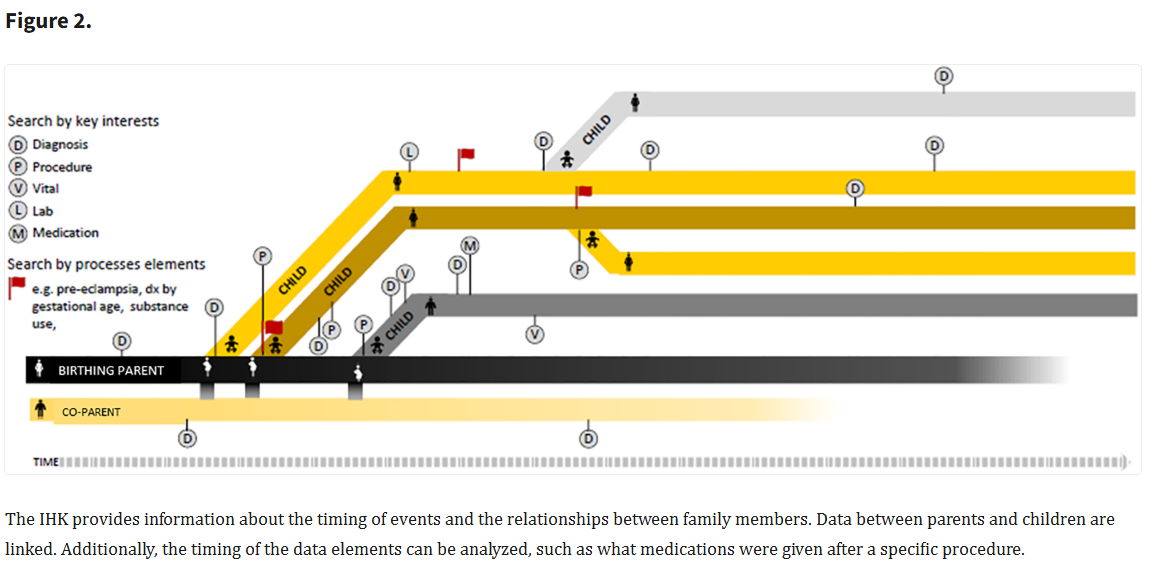
The Intergenerational Health Knowledgebase (IHK) is a novel, large, secure research data warehouse at the University of Iowa (UIOWA), created to study the links between maternal health (pregnancy, early life) and offspring adult disease, leveraging electronic health record (EHR) data. It harmonizes data for birth parent-child dyads, allowing researchers to analyze how health factors from one generation impact the next, supporting studies on adverse childhood experiences, prenatal depression, fetal growth, and more, serving as a vital tool for translational health research.
Key Features & Purpose
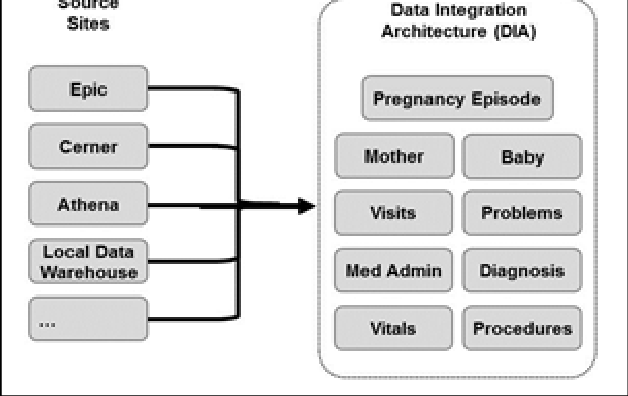
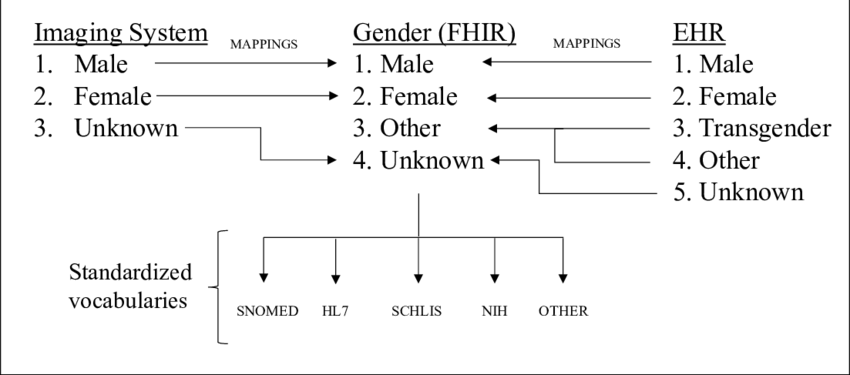
- Data Integration: Combines clinical data (diagnoses, vitals, demographics) from EHRs with other sources, linking mothers and babies.
- Research Focus: Advances the developmental origins of adult disease (DODAD) by enabling large-scale, longitudinal studies.
- Iterative Development: Developed in phases with input from clinical teams, biomedical informatics, and obstetrics/pediatrics to ensure data quality and relevance.
- Security: Protects patient privacy through anonymization and secure data enclaves.
Examples of Use
- Studying the impact of Adverse Childhood Experiences (ACEs) on conditions like preeclampsia.
- Investigating maternal depression and COVID-19's effect on prenatal outcomes.
- Analyzing medication use during pregnancy and its effects.
- Linking fetal growth restriction to later child health issues.
How It Works
- Data Identification: Clinical teams find significant variables in the EHR (like obstetrics/pediatrics data).
- Extraction & Linking: Informatics teams extract and link these variables using anonymous identifiers, connecting parents and children.
- Validation: Data is rigorously checked for accuracy and inconsistencies.
- Research Access: Researchers then query this curated dataset for specific studies, often through secure data enclaves like the Iowa Health Data Resource (IHDR).